

Opinion
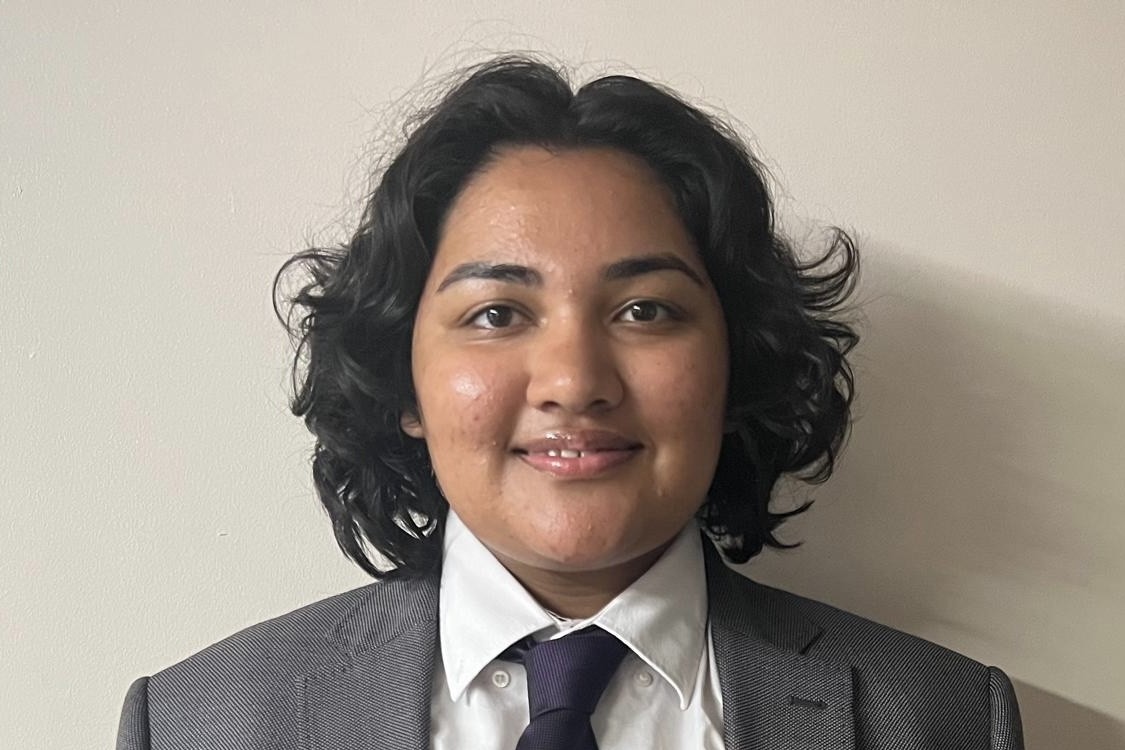
Shifa, age 17, raises the importance of tackling knife crime.
What issue do you most care about?
I am passionate about reducing knife crime and tackling it from the root cause. I believe that at the heart of knife crime are two major issues: safety and mental health. Reports have shown that young people carry knives because they feel unsafe so if we prioritise improving the safety of the streets, less young people would be afraid and feel the need to carry knives. Mental health is another important factor, because it takes a lot for a person to commit grievous bodily harm or worse. Turning to violence should not be such an easy route for people in general, but specifically young people, therefore if we are to tackle the knife crime epidemic, I believe we must focus our efforts on improving the safety and mental health of young people.
Why is this important to you, and possibly to other young people?
Tackling knife crime is important to me because growing up in a place where such behaviours have become regular makes every day more unsafe. I come from Luton where just 10 days ago, we lost someone the same age as me - 17, in college, working towards a positive future. This isn’t just the case in Luton though, it’s a national problem which we cannot overlook. To lose your life because some of your peers were unable to communicate or couldn’t articulate their emotions is beyond tragic and it cannot be normalised the way it has been now. It impacts the people involved, their families, their friends, and the wider community, so to hear of an attack and shrug it off because it’s nothing but a monthly occurrence desensitises us as a society despite the loss of valuable lives. This is a reaction which needs to be reversed immediately, and waiting longer just makes the issue worse.
What changes would you like to see?
I would like to not only see, but also actively contribute to a national reduction in knife crime to the point where people don’t feel the need to arm themselves because they know the streets are safe and any issues can be resolved without needing to engage in hostile activity. I would like for people, especially women and girls, to feel comfortable walking around at night or alone without constantly looking over their shoulder and worrying about being attacked or harassed. Public streets, parks, and buildings are for everyone, and nobody has the right to make others feel unsafe for simply existing in these spaces.
How can young people be a part of bringing about these changes?
Young people can support this change by actively contributing to the community they are a part of. There are a number of ways this can be done, including engaging in voluntary police specials training, youth mentoring, or other forms of community engagement. This would tackle both aspects of the knife crime reduction process as it allows more people to be part of the movement making streets safer, and having youth and peer mentors would provide young people with mental health support from someone who understands the world from their perspective. A key part of tackling this issue is developing an understanding. If young people feel understood, safe, and aspirational, we reduce the likelihood of knife crime, making our society a safer one to live in.